Boqilang (Shanghai) Technology Development Co., Ltd
Address: 300 Songying Road, Qingpu District, Shanghai
Mr. Liu: 13818020450
Mr. Zhao: 13681948693
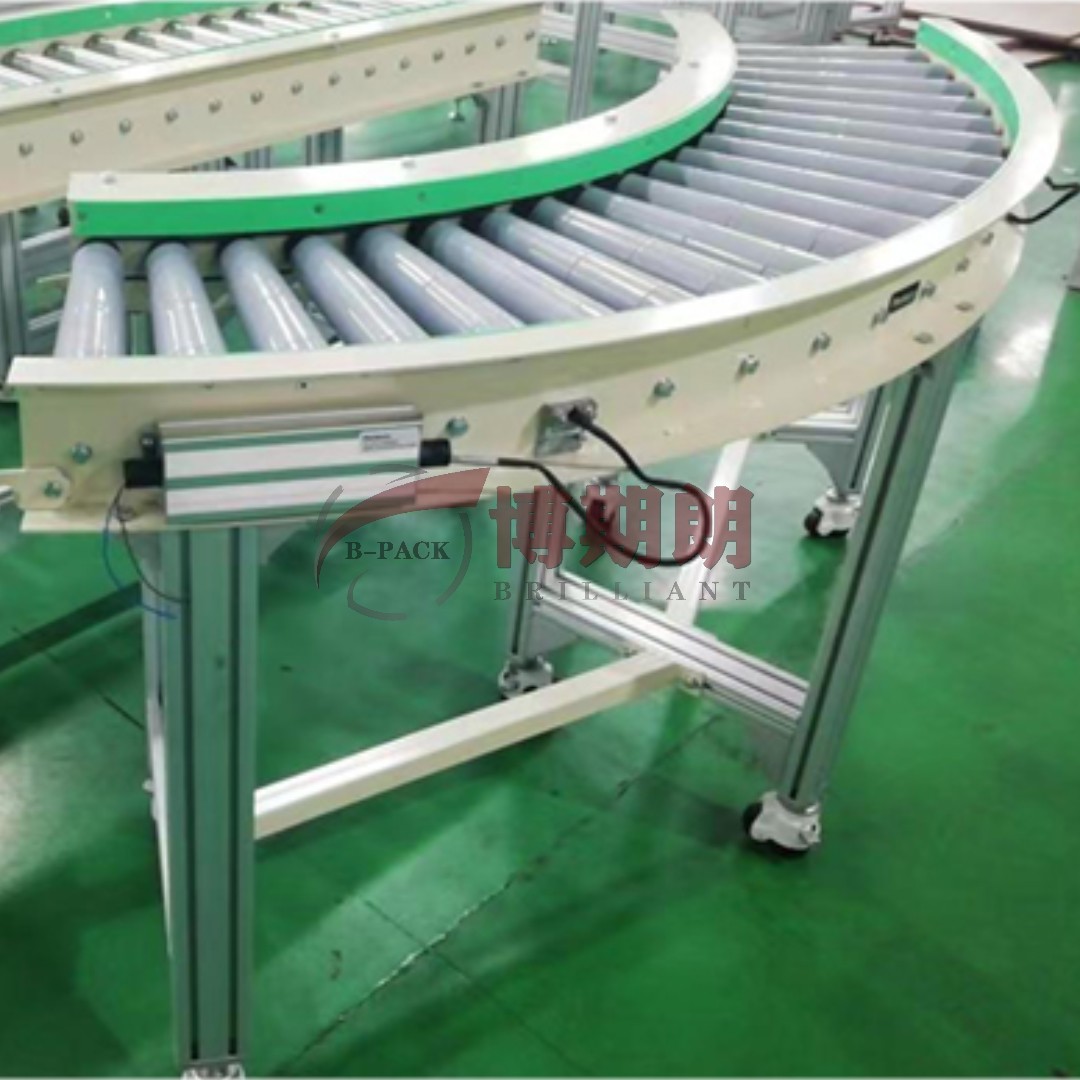
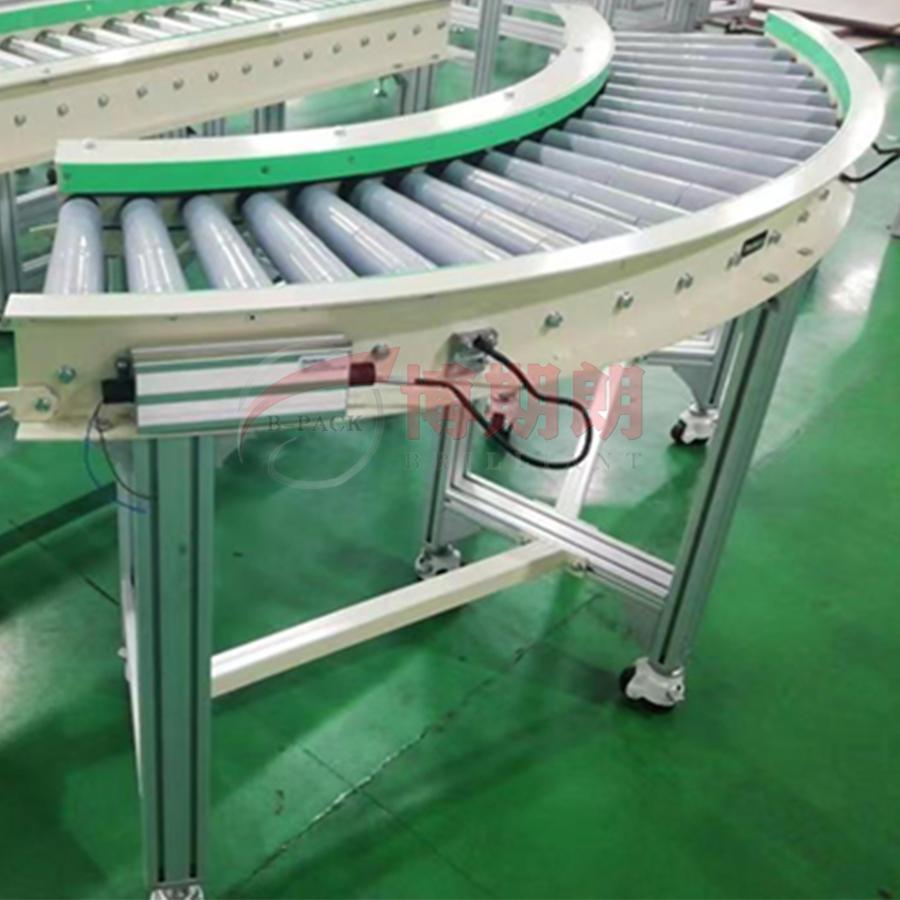
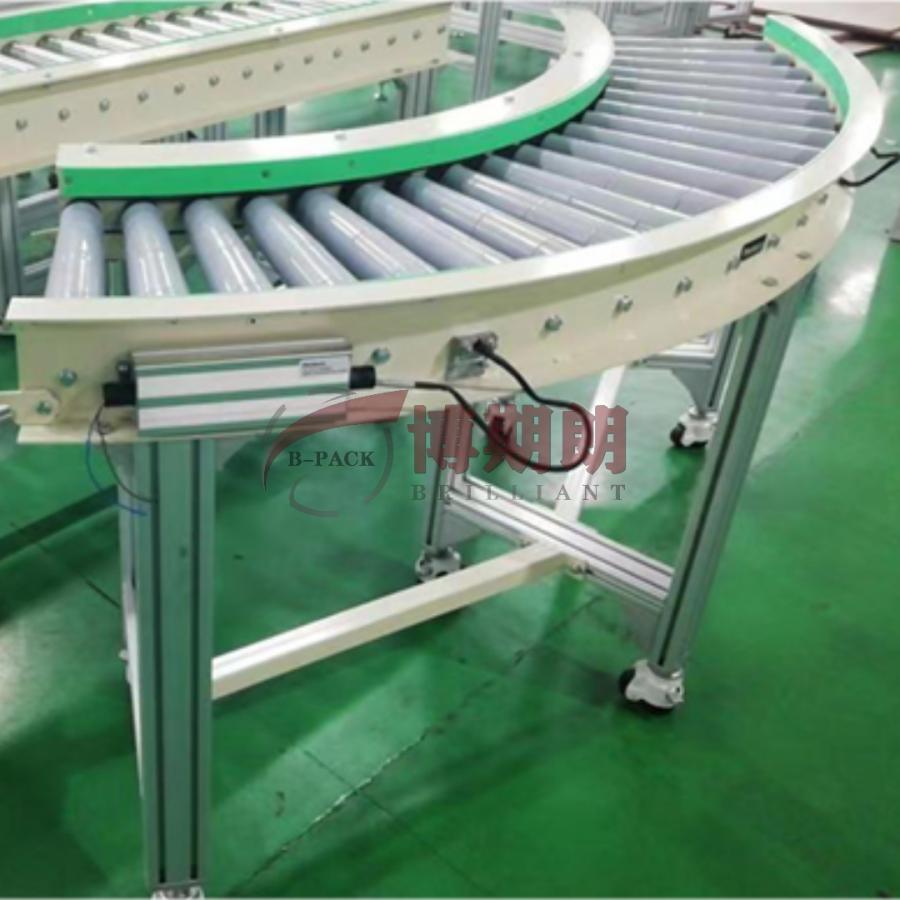
90 degree electric roller conveyor line
This is a common power type turning device on automated assembly lines, whose core function is to achieve right angle turning of materials in a horizontal plane.
It can efficiently and smoothly transfer materials from one conveyor line to another vertical conveyor line.
1、 What is a 90 degree electric roller conveyor line?
It is a power roller (i.e. electric roller) conveyor that can accurately change the direction of material transportation by 90 degrees.
The material enters from the entrance direction (e.g. X-axis),
After passing through a 90 degree circular arc path, it is sent out from the vertical direction (such as the Y-axis),
and all actions are automatically driven by electric rollers.
Core principle: Based on the differential principle, ensure that the linear velocity of the material on the inside and outside of the bend is different,
so as to smoothly turn and prevent squeezing, jamming or deviation.
Technical core: Use conical electric rollers or special control systems to achieve differential speed.
Intuitive metaphor: It's like a right angled ramp on a highway, but it's automated and vehicles (materials) don't need to control their own direction.
2、 Application scenarios
The 90 degree electric roller conveyor line is a key node in modern automated production and logistics systems:
Diversion and merging: Sort materials on the main line to different branch lines as needed, or gather materials from multiple branch lines onto one main line.
Process connection: Connecting two mutually perpendicular production lines or process equipment.
Robot loading and unloading: provides vertical feeding for the robot workstation, or sends out the completed materials, with a very flexible layout.
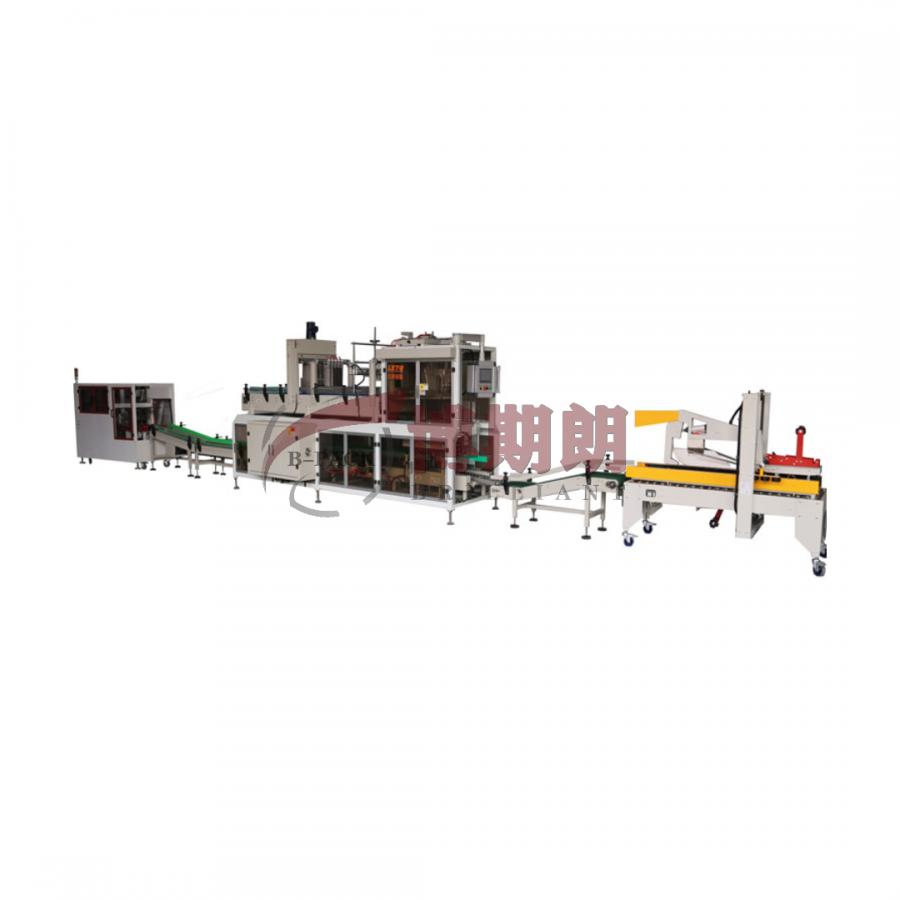
Assembly and packaging line: On complex packaging lines, products are turned for side packaging, labeling, or inspection.
Storage system: used to adjust the direction of pallet transportation and enter the designated shelf aisle before automated storage.